June 18, 2026

Growth is exciting—but it also brings new challenges, especially when it comes to IT. What worked for your business a year ago might not be enough today. More users, more systems, more data… it all adds up quickly.
At some point, your internal IT team starts feeling the pressure. They’re handling daily issues, trying to keep everything secure, and still expected to plan for the future. It’s a lot. And fully outsourcing IT doesn’t always feel like the right move either.
That’s where co-managed IT services come in. It’s a smarter, more flexible approach that supports your existing team instead of replacing it. You get extra expertise, better security, and the ability to scale—without losing control of your systems.
In this guide, we’ll break down the top benefits of co-managed IT services and why more growing businesses are choosing this model in 2026.
As a business grows, things don’t just get bigger—they get more complicated. More employees come on board. More devices get added. More data starts flowing through your systems every day.
And with all of that, the pressure on your IT setup increases. It has to stay secure. It has to run smoothly. And it has to keep up without slowing everything else down.
That’s where many companies start to feel the strain. Internal IT teams get stretched thin, trying to manage everything at once. But at the same time, handing everything over to an outside provider doesn’t always feel right either.
This is where co-managed IT services make a real difference. It’s a more flexible approach—one that supports your internal team instead of replacing it. You get the extra help you need, while still keeping control over your systems.
Co-managed IT solutions are really just a shared approach to IT. Your internal team stays in place, but they get support from an external provider who helps handle the extra load.
Instead of replacing your team, the provider steps in where it’s needed most—filling gaps, reducing pressure, and making sure nothing falls through the cracks.
That support can include things like:
It’s a practical way to strengthen your IT without giving up control.
When you look at different IT setups, each one has its place—but they also come with trade-offs.
At the end of the day, it’s about finding the right balance.
Co-managed IT often sits right in the middle. You keep control of your systems, gain access to extra expertise, and still have the flexibility to scale as your business grows.
Growth is exciting. But it also brings new challenges—especially when it comes to IT.
As your business expands, things don’t always scale as smoothly as you’d expect. Systems become harder to manage. Security risks start to increase. And when something goes wrong, downtime isn’t just frustrating—it’s expensive.
That’s where co-managed IT really helps. Instead of constantly hiring new staff or stretching your current team too thin, you get the support you need to grow at the right pace.
It allows your technology to scale alongside your business—without the stress, the overload, or the constant scramble to keep up.
Co-managed IT services help growing businesses strengthen security, improve efficiency, and scale their technology by combining internal teams with expert external support—without losing control.
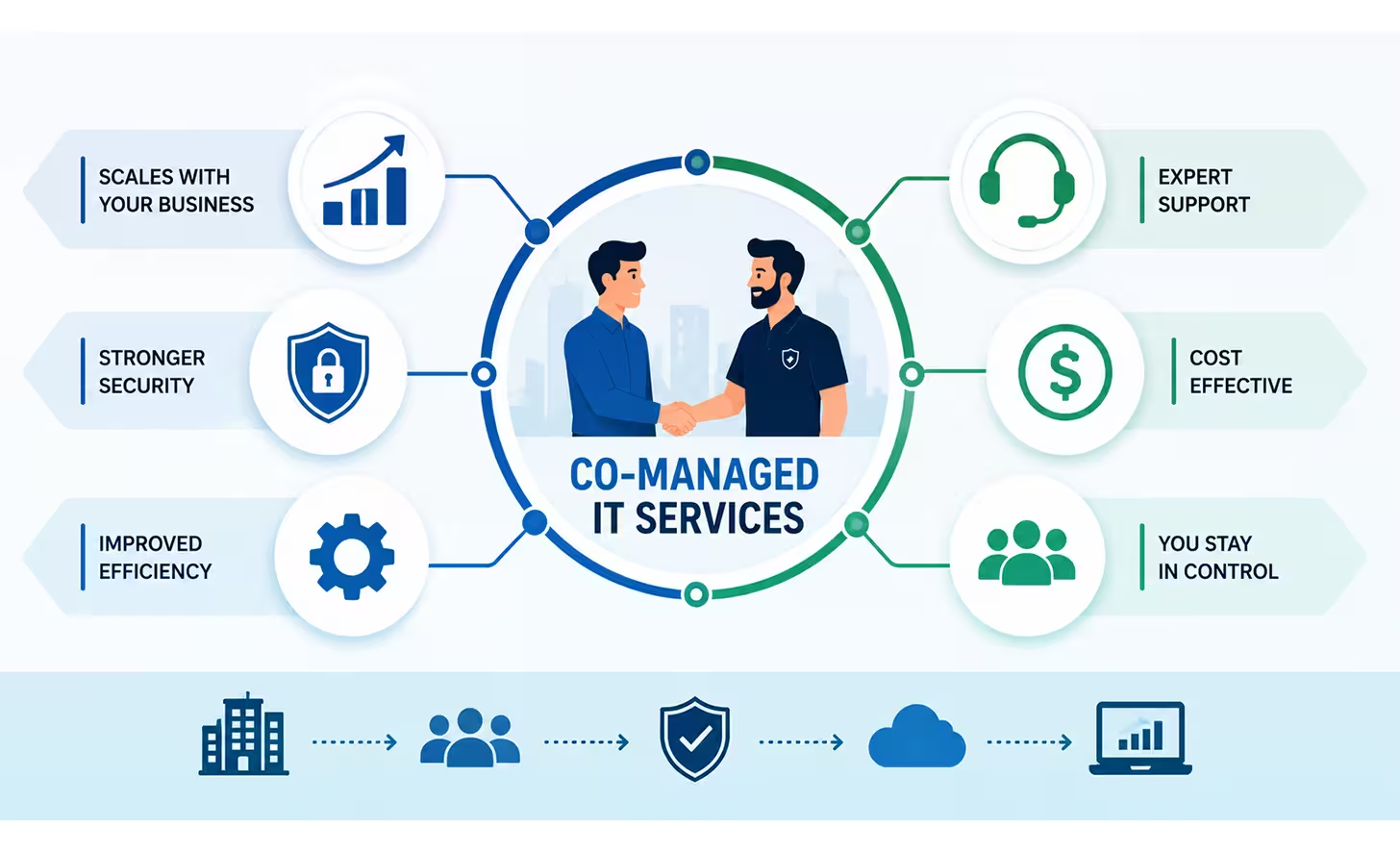
One of the biggest advantages is flexibility. As your business grows, your IT needs don’t stay the same—and your support shouldn’t either.
With a co-managed approach, scaling becomes much easier. You can:
Everything adjusts as you grow. Your IT support moves with you, instead of holding you back.
Cyber threats aren’t slowing down—in fact, they’re getting more frequent and more advanced. Small and mid-sized businesses are often the most exposed, especially as they grow.
That’s where a co-managed approach makes a real difference. It adds an extra layer of protection without overwhelming your internal team.
You get support like:
It’s all about staying ahead of problems. Instead of reacting after something goes wrong, you’re preventing issues before they have a chance to impact your business.
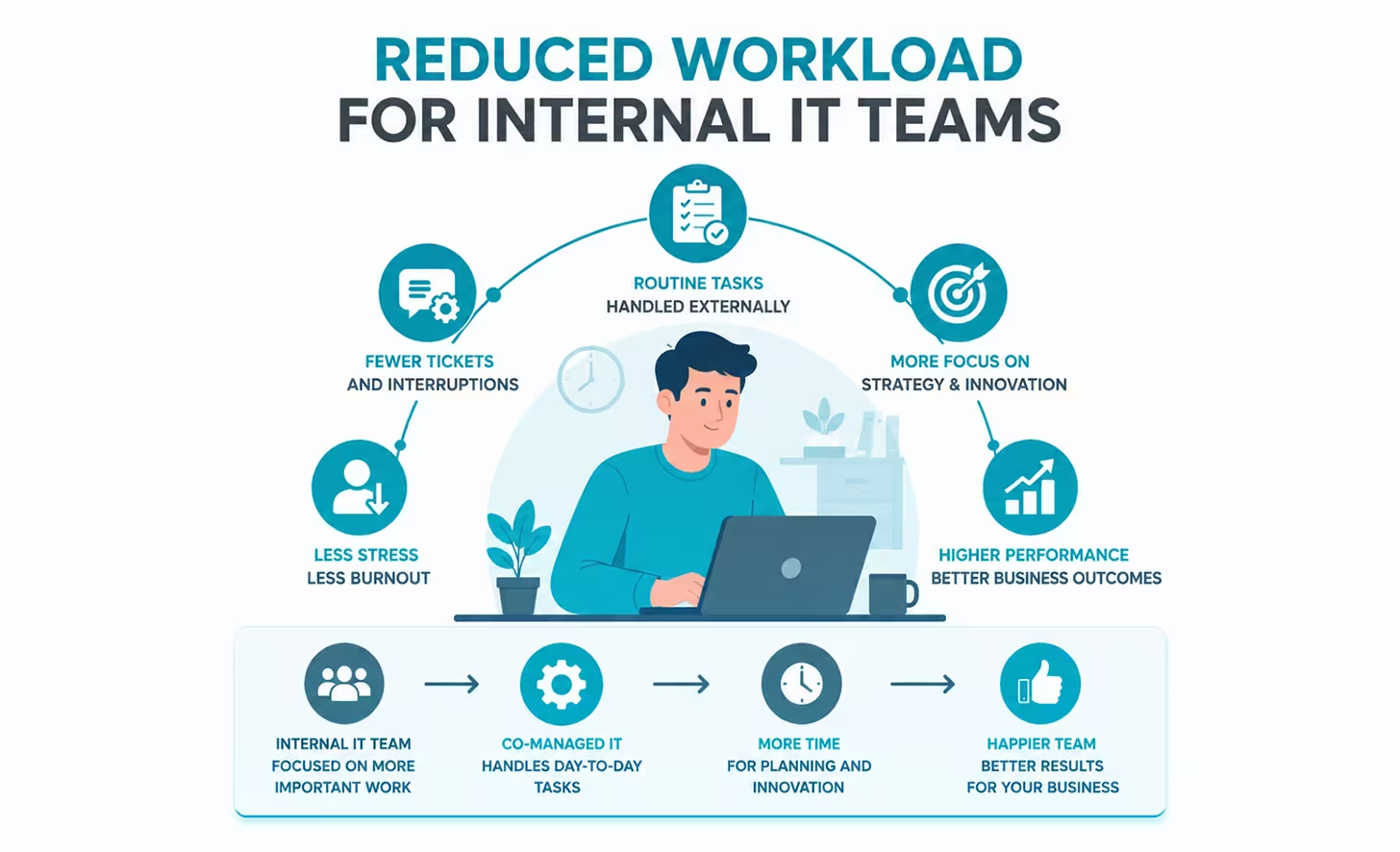
Internal IT teams often get stuck handling the same day-to-day issues—fixing small problems, answering tickets, and keeping everything running. Over time, it adds up. And it pulls them away from bigger, more important work.
With a co-managed setup, that pressure starts to ease. Routine tasks are handled externally, giving your internal team the space to focus on strategy, planning, and innovation.
It also makes a real difference in how people feel at work. Less overload. Less stress. Less burnout.
And when your team isn’t constantly putting out fires, they can perform at a much higher level—helping the entire business run better.
Technology doesn’t stand still. It keeps evolving—and keeping up with it all can be tough for any single team.
That’s where co-managed IT really adds value. You’re not just relying on one or two people—you’re tapping into a wider pool of expertise when you need it.
That support can include:
Instead of hiring multiple specialists, you get access to a full team. And it’s there when you need it—without the overhead of building it all in-house.
Downtime is expensive. Even a short disruption can throw everything off—productivity drops, customer experience takes a hit, and revenue can slip through the cracks.
That’s why speed matters. With a co-managed setup, issues are spotted and handled much faster.
You benefit from:
It’s all about staying ahead of problems. The less downtime you have, the smoother everything runs—and the easier it is to keep your business moving forward.
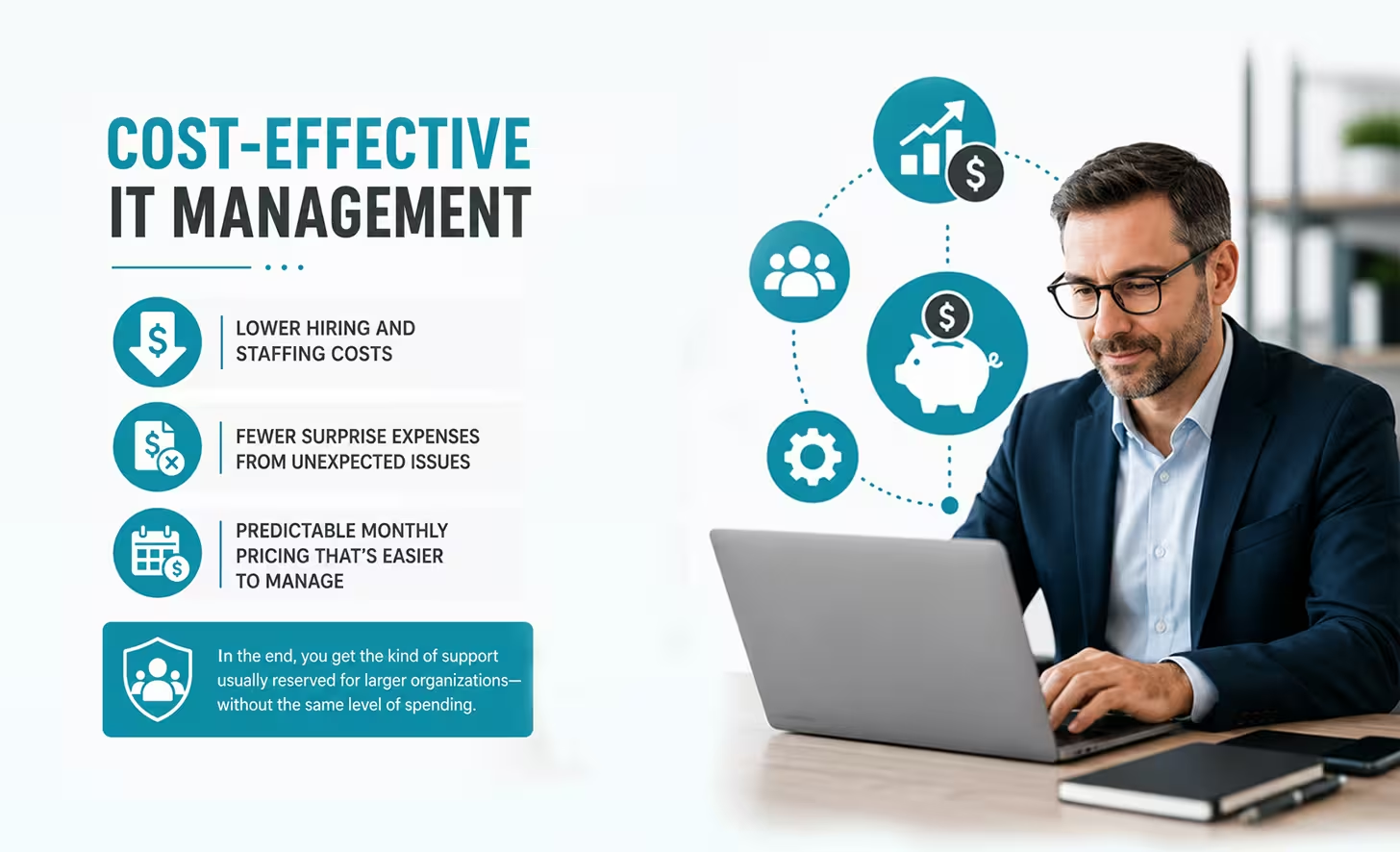
Building and maintaining a full in-house IT team can get expensive—fast. Salaries, training, tools… it all adds up.
With a co-managed approach, you get more flexibility without those heavy costs. You can scale support when you need it, without committing to a larger internal team.
That means:
In the end, you get the kind of support usually reserved for larger organizations—without the same level of spending.
Not sure if this approach is the right fit? Sometimes the signs are already there—you just have to notice them.
You might need extra support if:
If even a couple of these sound familiar, it might be time to rethink how your IT is supported.
A co-managed setup can take that pressure off—giving your team the backup they need while helping your business move forward with more confidence.
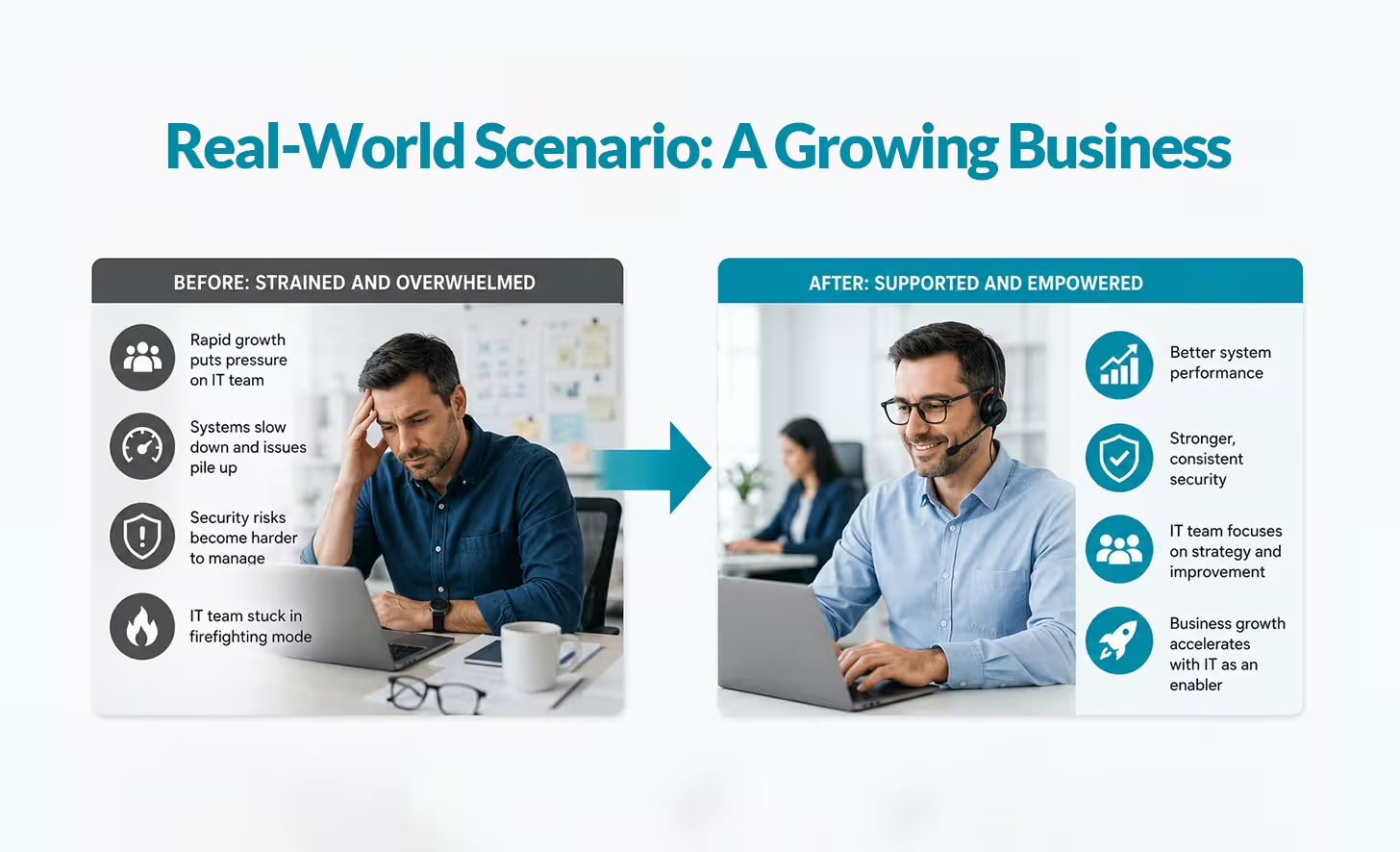
Picture a company that’s growing fast. New hires coming in, new locations opening, new tools being added almost every month. It’s exciting—but behind the scenes, the IT team is starting to feel the strain.
They’re doing their best to keep up, but there’s only so much they can handle. Systems slow down. Small issues start piling up. And bigger risks—like security—become harder to manage.
Then they bring in co-managed IT support. And things begin to shift.
System performance improves. Security becomes stronger and more consistent. And the internal IT team finally has the space to step back and focus on long-term improvements instead of constant firefighting.
The business keeps growing—but now, IT isn’t holding it back. It’s actually helping move things forward.
Not all providers are created equal. And when you’re trusting someone to support your systems, that choice really matters.
It’s not just about technical skills—it’s about finding a partner who understands how your business works and where it’s headed.
As you’re evaluating options, look for things like:
At Exutory Solutions, this approach is at the core of how we support growing businesses—combining technical expertise with a deep understanding of real-world challenges companies face as they scale.
But beyond all that, pay attention to how a provider works with you.
The right partner shouldn’t feel like an outside vendor. They should feel like an extension of your team—aligned with your goals, supportive of your people, and focused on helping your business move forward with confidence.
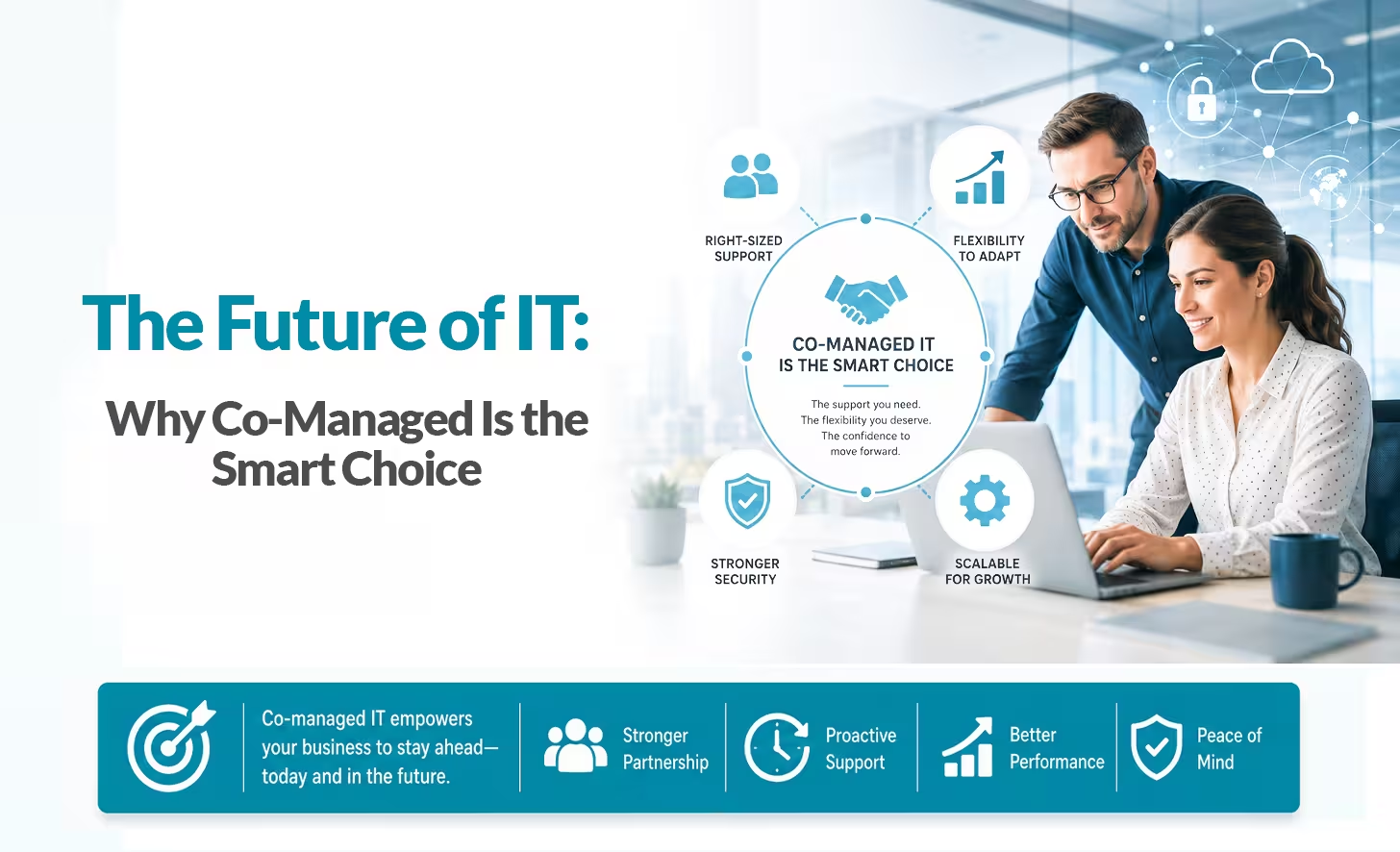
The way businesses handle IT is changing—and it’s happening fast.
Work isn’t tied to one office anymore. Teams are remote, hybrid, and constantly connected. At the same time, cyber threats are becoming more sophisticated, and new technologies are being adopted at a rapid pace.
All of this creates a new kind of pressure. Businesses need systems that are flexible enough to adapt, scalable enough to grow, and proactive enough to stay ahead of problems.
That’s where a co-managed approach really stands out. It gives you the support you need, the flexibility to adjust, and the confidence to move forward—without overloading your team or losing control.
As your business grows, your IT approach has to grow with it. What worked before won’t always be enough for what’s ahead.
A co-managed setup gives you a smarter way to keep up. It helps you:
But more than anything, it changes your mindset. Instead of constantly reacting to problems, you’re staying one step ahead of them.
And that shift makes all the difference.
Co-managed IT services are a shared approach where your internal IT team works alongside external experts to get extra support and specialized expertise—without giving up control.
With managed IT, you hand over everything to an external provider—they take full responsibility for your systems.
Co-managed IT works differently. Your internal team stays in control, and the external provider steps in to support them where needed. It’s more of a partnership than a replacement.
Yes, it is. Instead of hiring a larger in-house team, you get access to a broader range of expertise only when you need it.
It helps keep costs predictable, reduces hiring and training expenses, and still gives you strong, reliable support as your business grows.
Co-managed IT is a great fit for growing businesses that need extra support as things scale—but don’t want to replace their internal it team.
It works especially well for companies that are expanding quickly, dealing with more complex systems, or simply need additional expertise without taking on the cost of hiring more full-time staff.
If your business is growing but your IT is starting to fall behind, it’s worth taking a step back and rethinking your approach.
Sometimes, it’s not about replacing what you have—it’s about strengthening it. A co-managed setup can give your team the support they need to keep up, stay secure, and move forward with confidence.
And in the long run, that kind of support can make all the difference.