September 10, 2026

A HIPAA risk assessment checklist Minneapolis medical practices can actually follow is different from the generic national templates most clinics find with a quick search. Small practices — dental offices, chiropractic clinics, therapy practices, single-location medical offices — face the same HIPAA Security Rule requirements as large hospital systems, but with a fraction of the staff and budget to manage compliance.
The HIPAA Security Rule requires every covered entity to conduct a risk assessment, but it doesn't hand you a usable checklist to work from. This guide breaks that requirement into a practical, categorized checklist your practice can walk through directly, organized the same way HHS structures the Security Rule itself: administrative, physical, and technical safeguards.
A common misconception among small practice owners is that HIPAA enforcement targets large healthcare systems, not solo or small-group practices. In reality, the HHS Office for Civil Rights has taken enforcement action against practices of every size, and a documented risk assessment is one of the first things requested if a complaint or breach investigation occurs — regardless of practice size.
Using a HIPAA risk assessment checklist Minneapolis practices can complete on their own is the starting point, but it's also the first thing that shows whether compliance has been handled proactively or is being pieced together after the fact.

Administrative safeguards are the policies and processes governing how your practice manages PHI (protected health information):

Physical safeguards cover the actual space and hardware where PHI is stored or accessed:

Technical safeguards are where most small practices have the largest gaps, since they require ongoing IT management rather than a one-time policy decision:
For the full technical specification behind these controls, NIST Special Publication 800-66 provides the official implementation guide for the HIPAA Security Rule and is the same reference auditors typically use.
A HIPAA risk assessment checklist Minneapolis practices use isn't a one-time exercise. Revisit it:
Finding gaps isn't a failure — it's the entire point of doing the assessment before a real incident or audit forces the issue. Most small practices have at least a few unchecked boxes the first time through, particularly in the technical safeguards section, since that area requires dedicated IT management most practices don't have in-house.
This is where a professional review closes the gap between "we have a checklist" and "we have a defensible, documented HIPAA compliance posture." An outside technical review can verify the boxes you've checked are actually true in practice, not just true on paper.
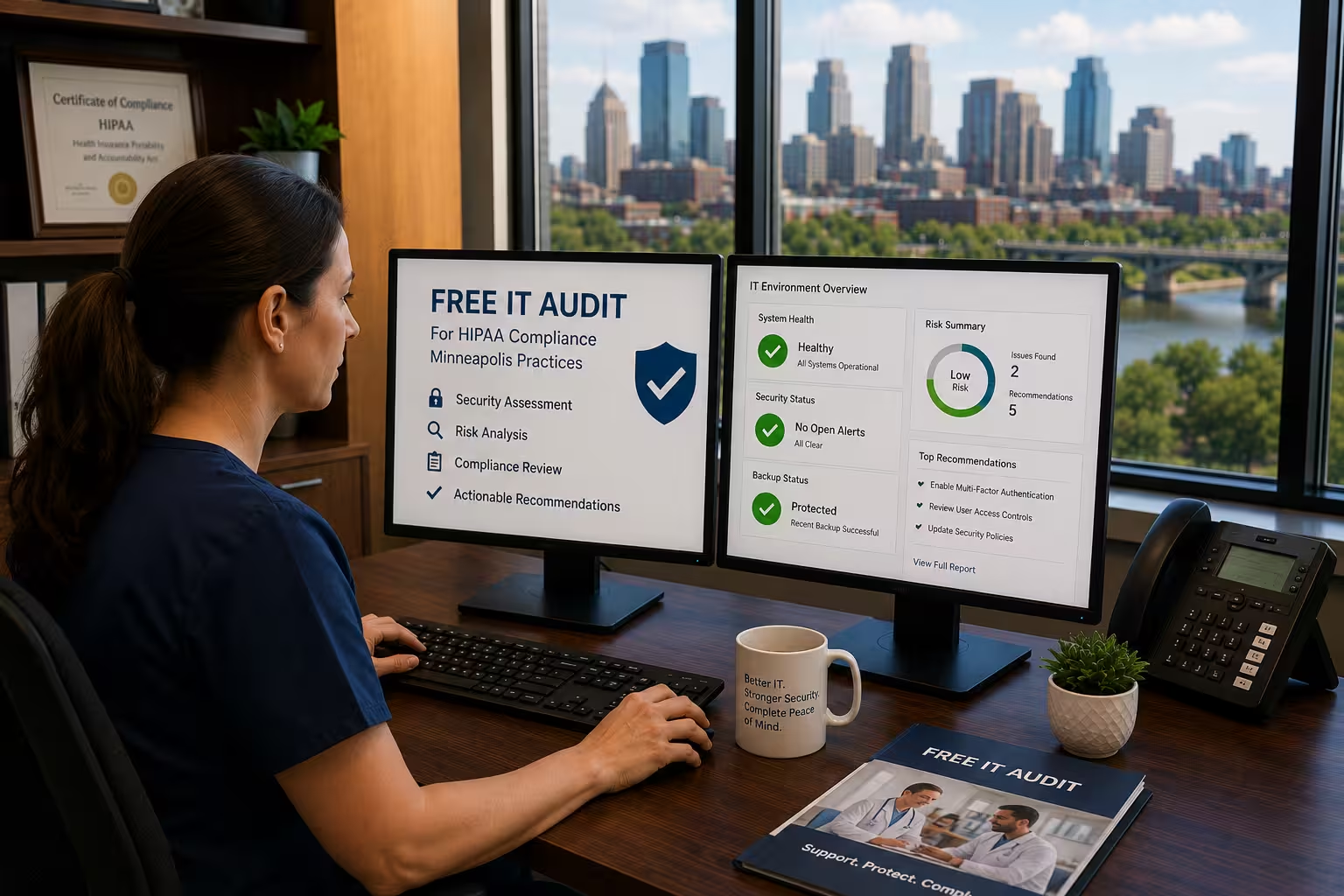
Exutory Solutions offers a free $1,500 IT and Cloud Audit for Minneapolis healthcare practices, which includes a direct review against this exact checklist — confirming which technical safeguards are actually in place, not just assumed. No cost, no obligation, and no pressure to sign anything on the spot.
Schedule your free IT and Cloud Audit with Exutory Solutions